
- Understand the GAMSTOP boundary
- Use payment limits and blocks safely
- Handle account and withdrawal problems calmly
Start with the immediate moment
When the urge to gamble is strong, long explanations rarely help. Make the next few minutes safer first. Move away from the device if you can. Do not open a new account, deposit elsewhere or search for a way around a block. Put a practical interruption between you and the transaction: call someone, leave the room, hand a device to someone you trust, or use a blocking tool that is already available to you.
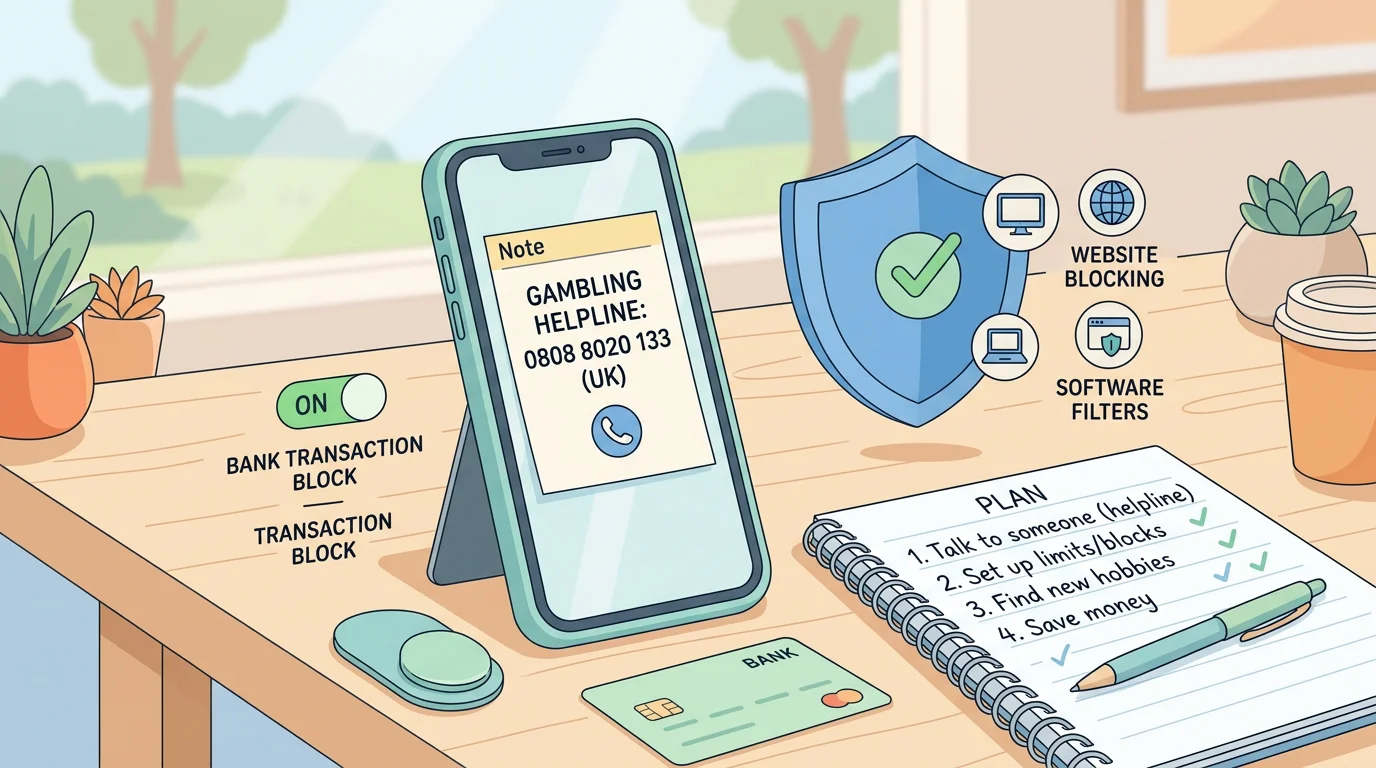
The National Gambling Helpline is 0808 8020 133 and is described by the service as free and available 24/7. You do not need to wait until the situation is severe. The helpline can be used when gambling feels hard to control, when you are worried about someone else, or when debt, shame or repeated losses make it difficult to think clearly.
Immediate support is not only for crisis points. It is also useful when you keep making the same plan and breaking it, when you gamble after promising not to, when you chase losses, or when you look for gambling options because a protection tool has blocked the usual route.
When gambling feels hard to control — More on this topic at casino not on gamstop.
GAMSTOP, bank blocks and website blocking
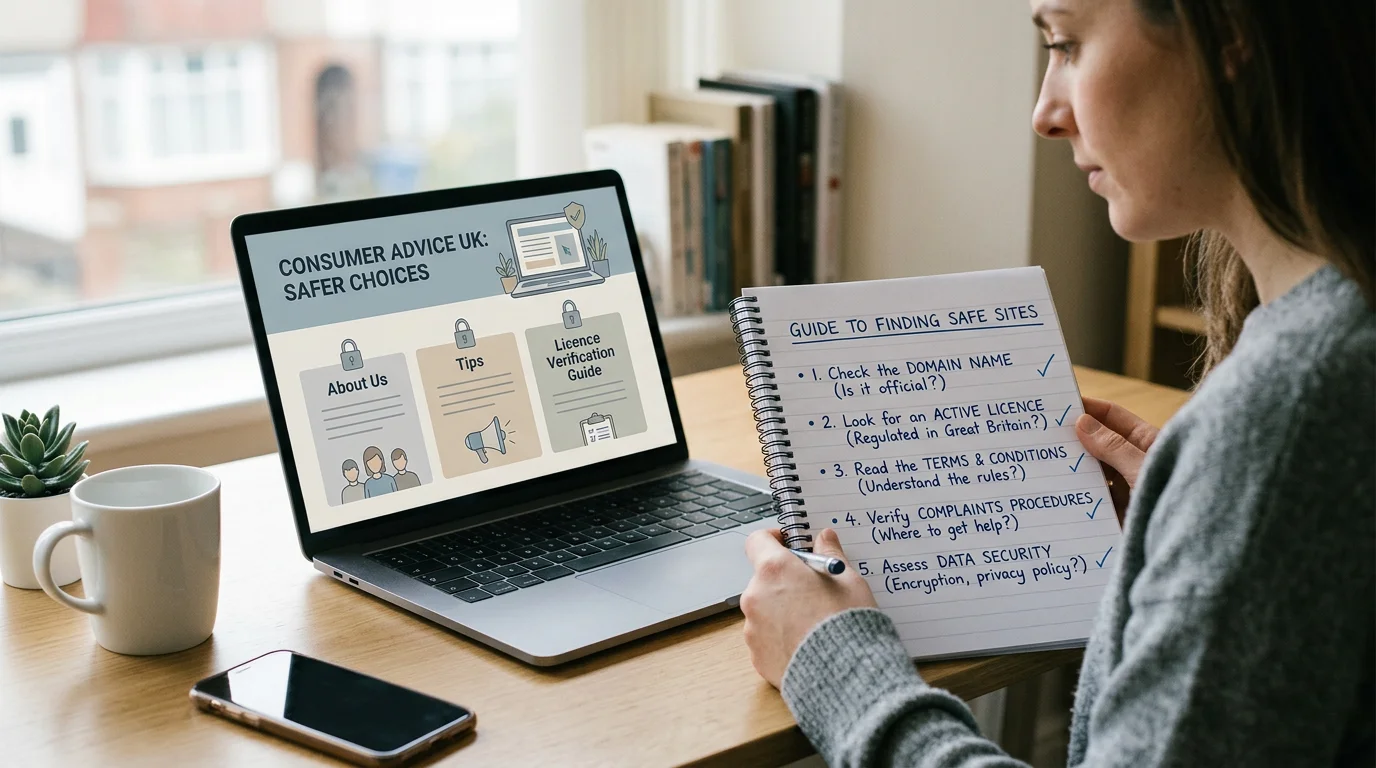
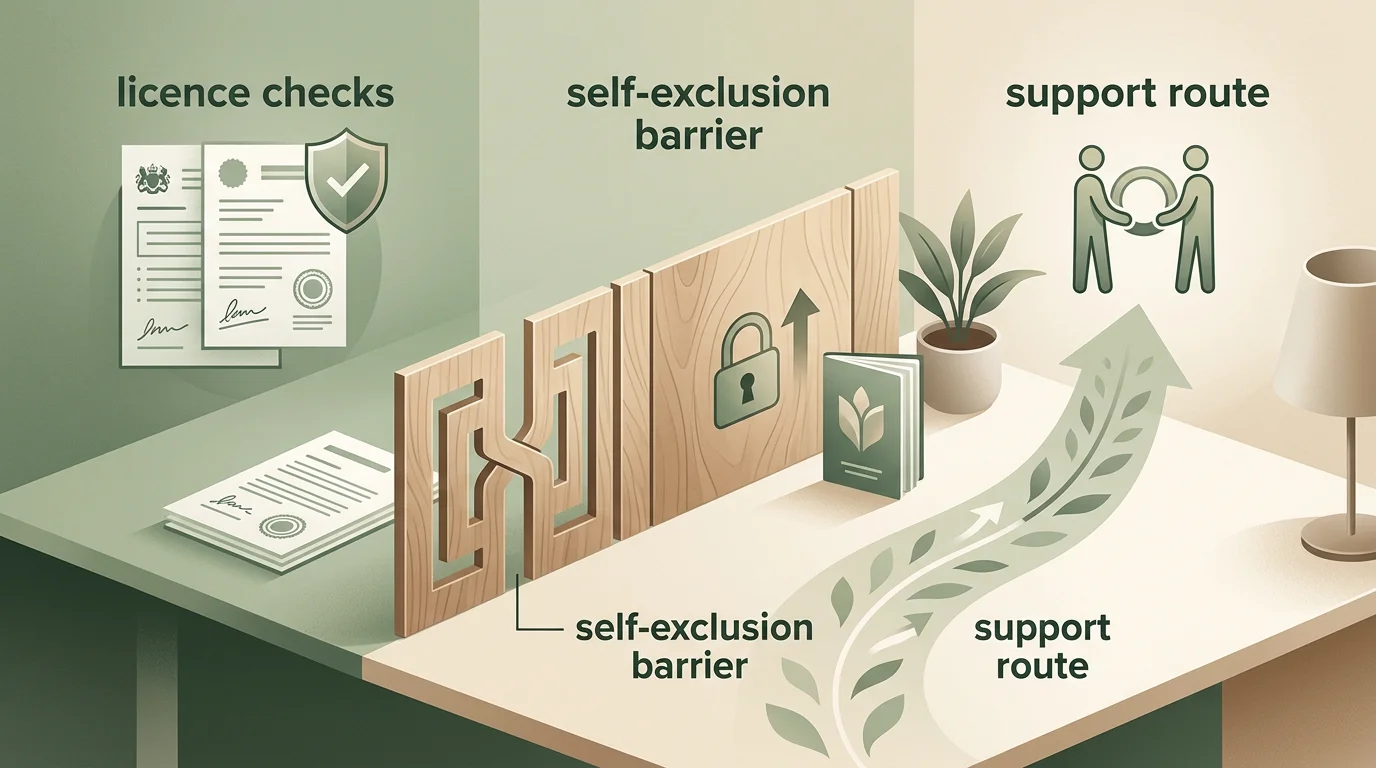
GAMSTOP is an official free online self-exclusion tool for UK residents using licensed online gambling websites and apps. It is designed to create a barrier across participating licensed online operators. It should not be treated as something to work around. If you are within a self-exclusion period and feel frustrated by that barrier, the barrier is doing part of its job: it is interrupting the impulse to gamble.
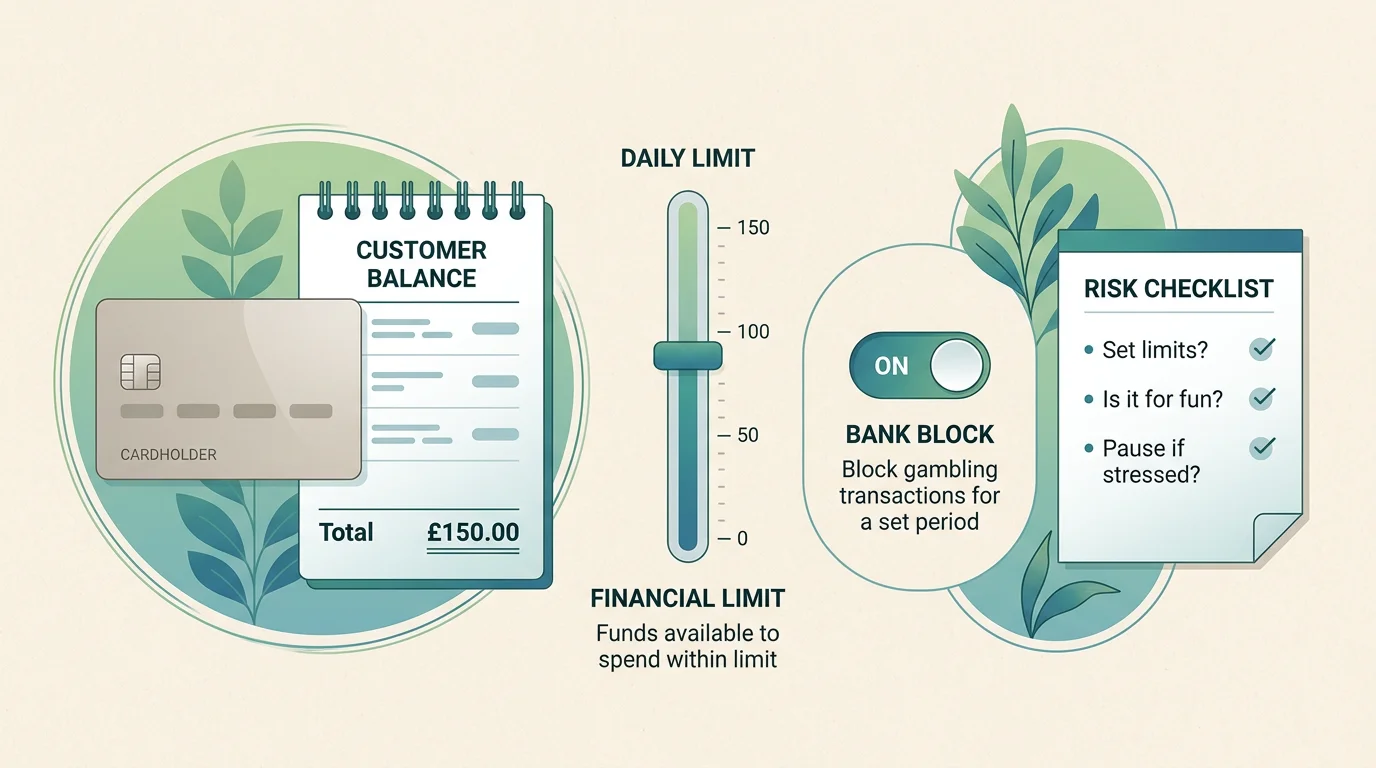
Bank gambling blocks can add another layer. They are usually set up through a bank or card provider and can reduce the chance of impulsive card payments. Website or app blocking can add a further layer by making gambling sites harder to reach. These tools are not perfect, and they do not remove every risk, but they can slow down the decision long enough for support to be used.
Layering matters because gambling urges often look for the weakest point. If one block is in place, the next urge may look for another payment method, another device, another site or another account. That is why support, blocking tools and financial controls work best together. The aim is not to prove willpower. The aim is to make the risky action harder while making the safer action easier.
Scenario routes
| Situation | Safer route | What to avoid | Why it helps |
|---|---|---|---|
| You are already self-excluded | Keep the exclusion in place and add bank blocks or website blocking if needed. | Do not look for gambling sites outside the exclusion barrier. | The barrier gives time for support before another deposit happens. |
| You feel an urge to deposit | Call the National Gambling Helpline on 0808 8020 133, leave the device, or speak to someone you trust. | Do not test a payment method “just to see” whether it works. | Interrupting the next few minutes can prevent the transaction that keeps the cycle going. |
| A bank block is active | Leave it active and ask the bank or support service about stronger barriers if needed. | Do not try to route money through another card, wallet or account. | The block is there to protect money when pressure is high. |
| Debt pressure is involved | Use MoneyHelper debt guidance and gambling support rather than trying to win back money. | Do not treat gambling as a repayment plan. | Debt pressure can make risk feel urgent; outside help slows the decision down. |
| You are worried about someone else | Use helpline support for advice, keep communication calm and avoid covering losses without boundaries. | Do not argue about blame during a high-pressure moment. | A calm plan is more useful than a confrontation that pushes the person back toward gambling. |
What support can include
NHS gambling support routes are available for gambling problems, and MoneyHelper provides guidance for gambling-related debt pressure. Those services serve different roles. Gambling support can help with urges, behaviour, family impact and treatment routes. Debt guidance can help a person understand money pressure and make safer decisions about bills, arrears and repayment conversations. Neither route requires you to pretend the situation is worse or better than it is.
Useful support often starts with a simple plan for the next day rather than a perfect plan for life. That may include keeping a self-exclusion active, setting or lowering financial limits, adding a bank block, installing website or app blocking, telling one trusted person, saving helpline details and removing easy access to gambling accounts. The best plan is the one you can actually follow during a difficult moment.
If a delayed withdrawal, account dispute or bonus issue is part of the stress, handle that problem through records and complaint steps rather than more play. Opening another account to “solve” the feeling usually increases the harm. Use the account and withdrawal page for the dispute route, and use this page for the pressure around the behaviour.
A practical 24-hour plan
- Make the next transaction harder. Leave existing blocks in place, add bank gambling blocks where possible and avoid looking for payment alternatives.
- Move the device away. Put physical distance between you and the account, especially during the strongest urge.
- Use one support contact. Call the National Gambling Helpline on 0808 8020 133 or speak to a trusted person who will not encourage gambling.
- Protect priority money. Keep rent, food, bills, travel and debt payments away from gambling decisions.
- Write down the trigger. Note whether the urge followed a loss, a bonus advert, debt pressure, boredom, stress or an account problem.
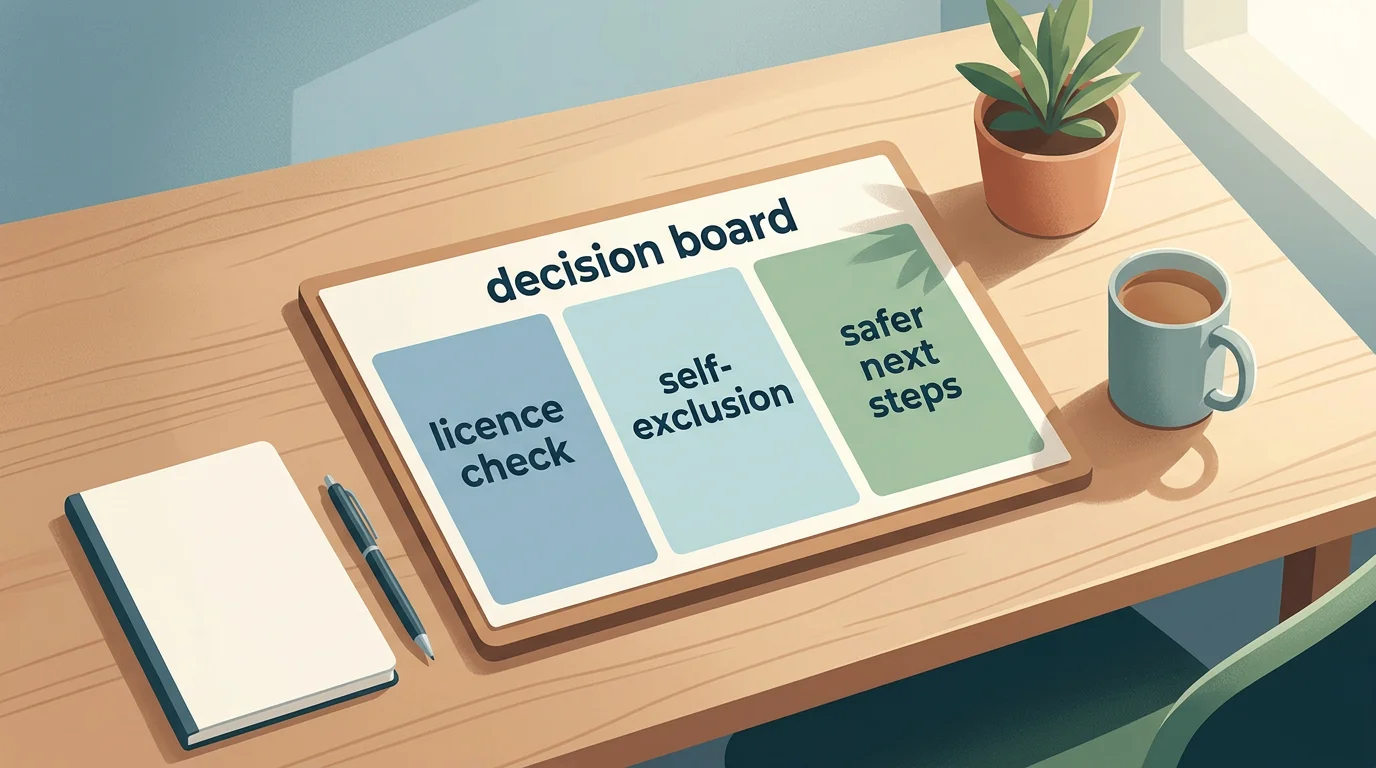
- Choose one longer-term barrier. That may be self-exclusion, a bank block, website blocking, app blocking, lower financial limits or NHS support.
The plan does not have to feel dramatic to be useful. Small barriers are valuable because gambling decisions often happen quickly. A five-minute interruption, a blocked payment or one phone call can change what happens next.
For family and friends
If you are worried about someone else, keep the first conversation simple. Focus on what you have noticed rather than accusing them of a motive. Offer to sit with them while they call support, set up a bank block or write down account details for a complaint. Avoid taking over every decision, because that can create conflict or secrecy. The aim is to make the safer action easier and the harmful action harder.
Do not lend money for gambling or cover losses without clear boundaries. If debt is involved, MoneyHelper guidance can help the person look at the money problem separately from the urge to gamble. If the person is distressed, isolated or at risk of immediate harm, use local emergency services. You do not have to solve the whole situation before asking for help.
See also What “not on GAMSTOP” means for UK players.
Questions people often ask
Should I remove a block once I feel calmer?
Do not make that decision during or just after an urge. If a block has helped create distance, keep it in place and speak to a support service before weakening it.
Is support only for people with severe gambling problems?
No. Support can be useful when gambling is starting to feel hard to control, when debt pressure is building, when someone is worried about a pattern, or when an exclusion or block is being tested.
What if my main problem is a delayed withdrawal?
Use the withdrawal and complaint route for the account issue, but do not gamble more while waiting. If the delay is pushing you toward more gambling, use support at the same time.