
How to check a gambling site before depositing

- Understand what “not on GAMSTOP” can imply
- Check bonus and promotion terms before depositing
- Understand ID checks and withdrawal disputes
- Review payment, fund and limit checks
- Use support if gambling feels hard to control
The rule before you start
Do not treat a site as checked simply because it looks professional. Gambling pages can display badges, seals, slogans and long terms while still leaving a reader unsure who operates the site. A useful check is specific. It asks for the exact domain, the business name, the trading name, the licence status, the customer-fund information, the complaint process and the privacy position.
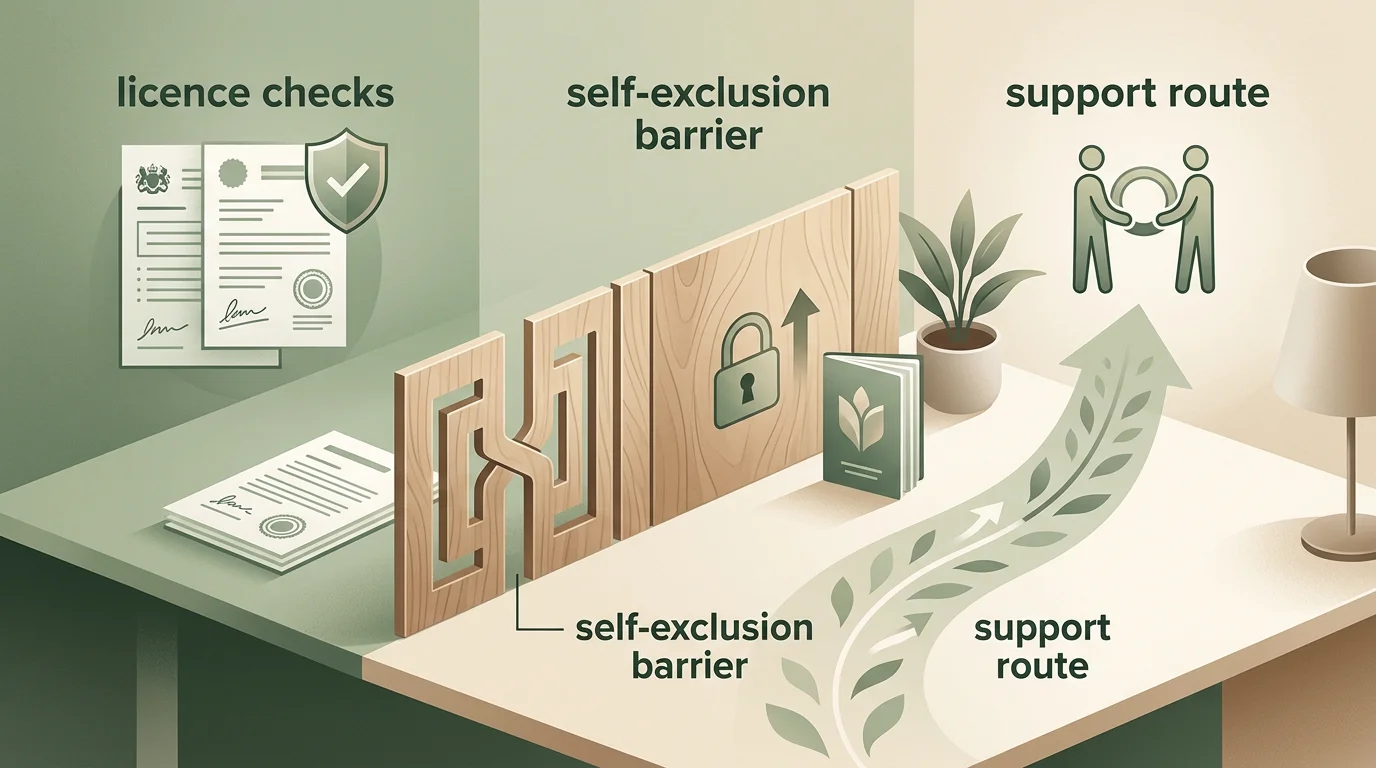
Remote gambling businesses serving Great Britain consumers need a Gambling Commission licence, including businesses based abroad. If a site is clearly aimed at Great Britain consumers but cannot be matched to the official register, that uncertainty is enough reason not to proceed. You do not need to prove that something is wrong before you protect your money and documents. If the check cannot be completed, the safest decision is to stop.
How to check a gambling site before depositing — More on this topic at casino not on gamstop.
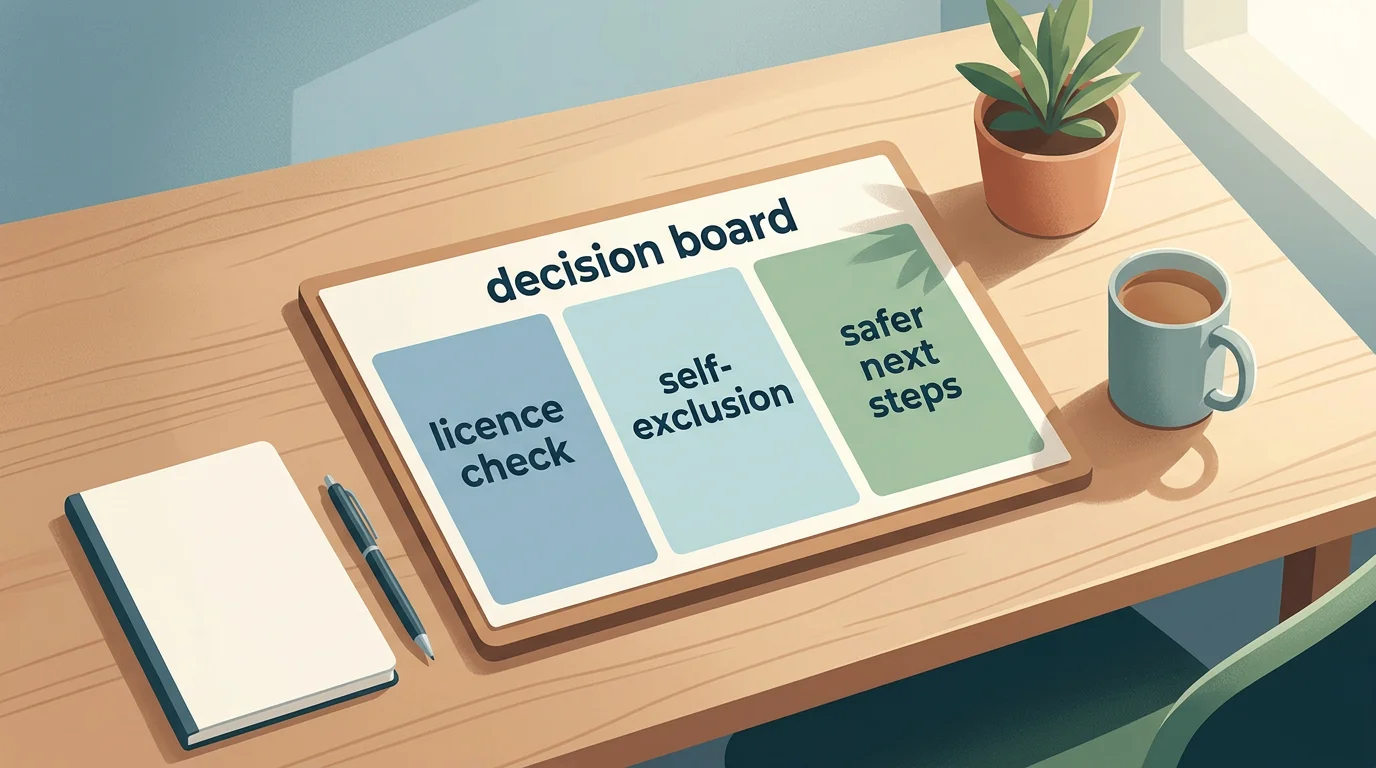
Step-by-step official check
- Capture the exact domain. Use the domain shown in the browser, not only the brand name in the page title or an advert. Watch for small spelling differences and additional words in the domain.
- Find the legal or trading name. Look in the footer, terms, privacy notice and account pages. A single site may use a brand name while the licence is held by another business.
- Use the Gambling Commission public register. Check by business name, trading name, domain name or account number. The point is to match the site in front of you to an official record.
- Compare the details, not just the presence of a result. A result that belongs to a different business, a different domain or a different status should not be treated as a match.
- Read the terms before depositing. Look for account restrictions, promotional conditions, withdrawal limits, identity checks and reasons a transaction could be delayed or refused.
- Find customer-fund information. Official consumer guidance highlights customer-fund protection information as one of the checks a person can make. Do not turn that information into a guarantee; read what level of protection is stated.
- Locate the complaint and ADR route. A serious site should make the complaints process and any alternative dispute resolution route clear enough to find before there is a dispute.
- Review privacy and cookie controls. You may be asked for sensitive identity, payment and behavioural data. Personal data must be processed securely under UK GDPR using appropriate technical and organisational measures.
- Make a decision before money moves. If any core point remains unclear, do not deposit or send identity documents while hoping the problem will resolve later.
Checklist table
| Check | What you are trying to match | Why it matters | What to do if unclear |
|---|---|---|---|
| Domain | The exact web address you would use to register or log in. | A similar-looking name is not the same as the site you are considering. | Do not proceed until the exact domain can be matched. |
| Business and trading name | The legal holder and any brand name used on the site. | The brand you see may not be the business responsible for the account. | Stop if the identity is hidden, inconsistent or impossible to compare. |
| Licence status | The relevant Gambling Commission record for Great Britain-facing remote gambling. | A foreign licence alone does not answer the Great Britain consumer question. | Avoid relying on site badges or sales wording as a substitute. |
| Terms and promotions | Rules on eligibility, bonuses, withdrawals, account checks and restrictions. | Many disputes begin with a term the user did not see or did not understand before depositing. | Save the terms or do not accept the offer. |
| Complaints and ADR | How a complaint is made and where it can go if unresolved. | Official guidance points consumers to complaint and ADR information as part of staying safe. | Do not wait until a dispute starts to find the route. |
| Data and cookies | How personal data, tracking and consent choices are described. | Gambling accounts can involve sensitive patterns, identity documents and payment information. | Leave if consent choices or data handling are unclear or pressured. |
What the official register can and cannot do
The official register is a starting point, not a magic safety label. It helps you check whether a business, trading name, domain or account number appears in official records. It can support a decision about whether the site in front of you matches a licensed business. It does not tell you that a promotion is good value, that you will win, that a withdrawal will be instant, or that gambling is a sensible choice for your personal situation.
That distinction prevents two common mistakes. The first is assuming that any professional-looking website is fine because it uses official-sounding language. The second is assuming that a single check replaces reading the terms. A careful user does both: match the site to the official record and then read the rules that govern the account.
If the site is connected to the phrase “not on GAMSTOP”, the check becomes even more important. For relevant licensed remote operators, participation in the national multi-operator self-exclusion framework is part of the protection picture. If a site seems to sit outside that picture, ask why. Do not fill the gap with assumptions.
Data, cookies and document risk
A gambling account can require more than an email address. Depending on the situation, a business may ask for identity information, payment information or evidence related to a withdrawal. That is why data security and privacy information matter before registration, not after a problem appears. UK GDPR requires personal data to be handled securely with appropriate technical and organisational measures. A reader does not need to become a data-law expert, but they should notice whether a site explains data handling in a clear and accessible way.
Cookie and advertising consent also deserves attention. The UK privacy regulator has taken action in the gambling sector over advertising-cookie processing before consent. The practical lesson is not to treat a cookie banner as a harmless decoration. Check whether choices are real, understandable and separate from pressure to gamble. If consent information is confusing, pre-selected in a way you do not understand, or hard to refuse, that should lower trust.
Stop points
- Stop if the exact domain cannot be matched to an official record.
- Stop if the site relies on a foreign licence while offering no clear Great Britain licence position.
- Stop if the terms are hidden, confusing or only appear after deposit.
- Stop if the complaint route and ADR information are missing or vague.
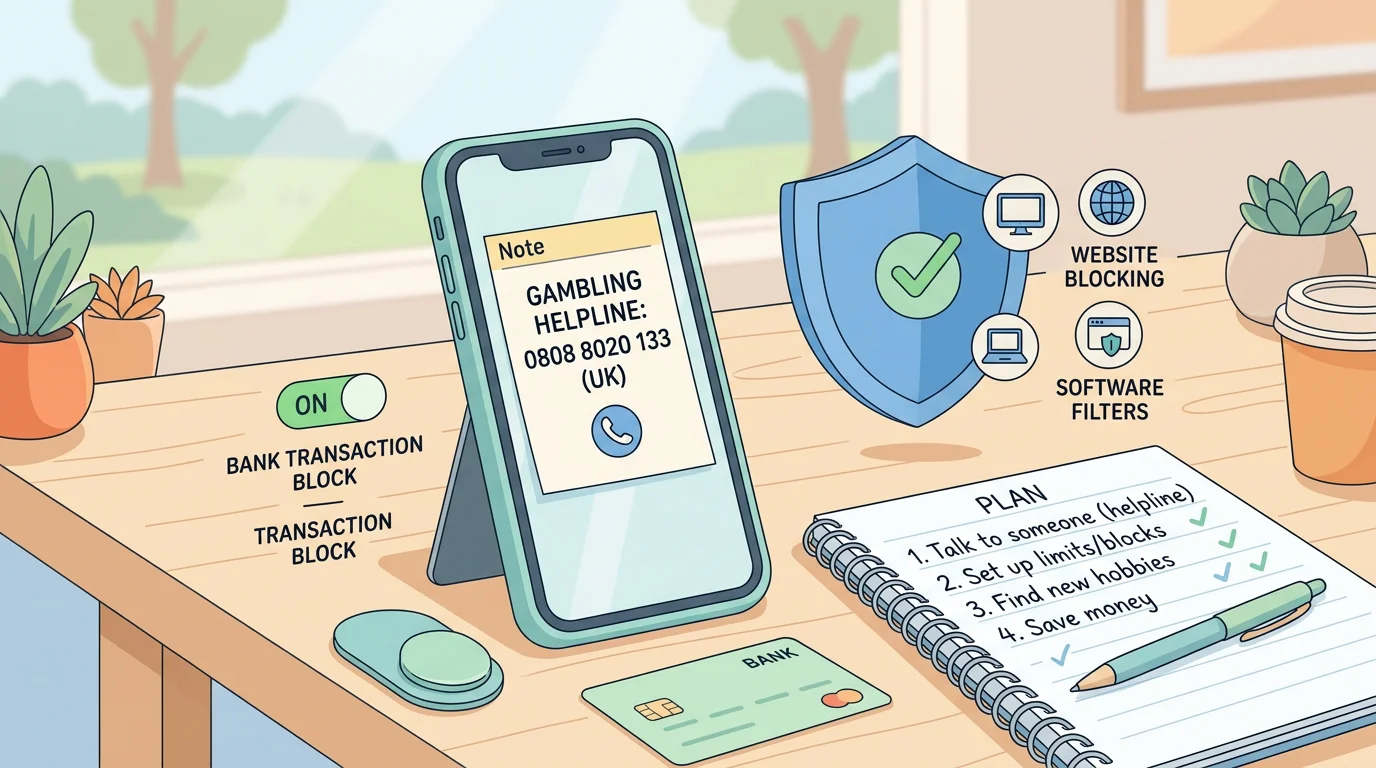
- Stop if you are trying to use the site because a self-exclusion, bank block or other protection is in the way.
A stop point is not a punishment. It is a way to keep control before the decision becomes harder. Once money, documents and account access are involved, a simple unanswered question can turn into a stressful dispute.
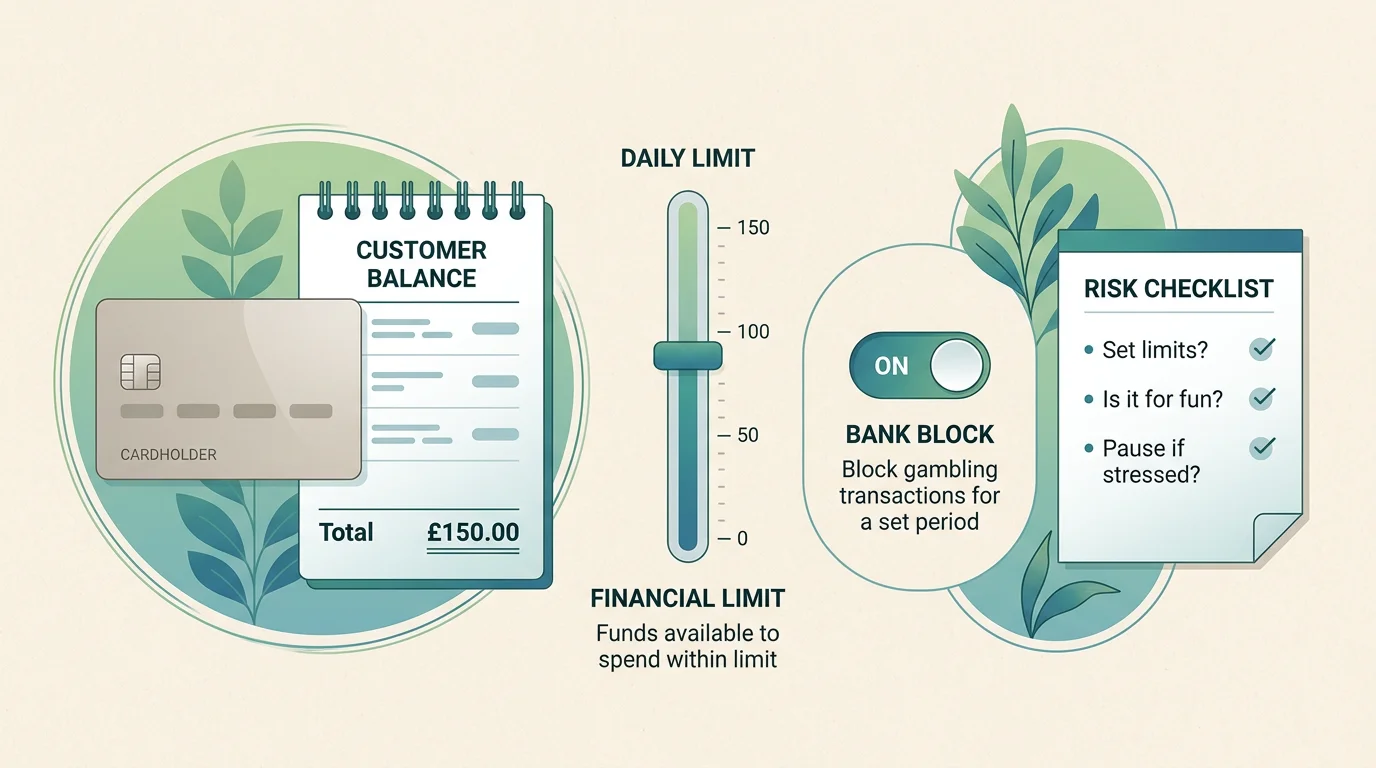
See also Payments, customer funds and limits.
Useful next pages
- Read how to check headline offers and promotional terms.
- Understand identity checks and withdrawal delays.
- Look at customer funds, payment boundaries and limit tools.
- Use support if the urge to gamble is the main driver.