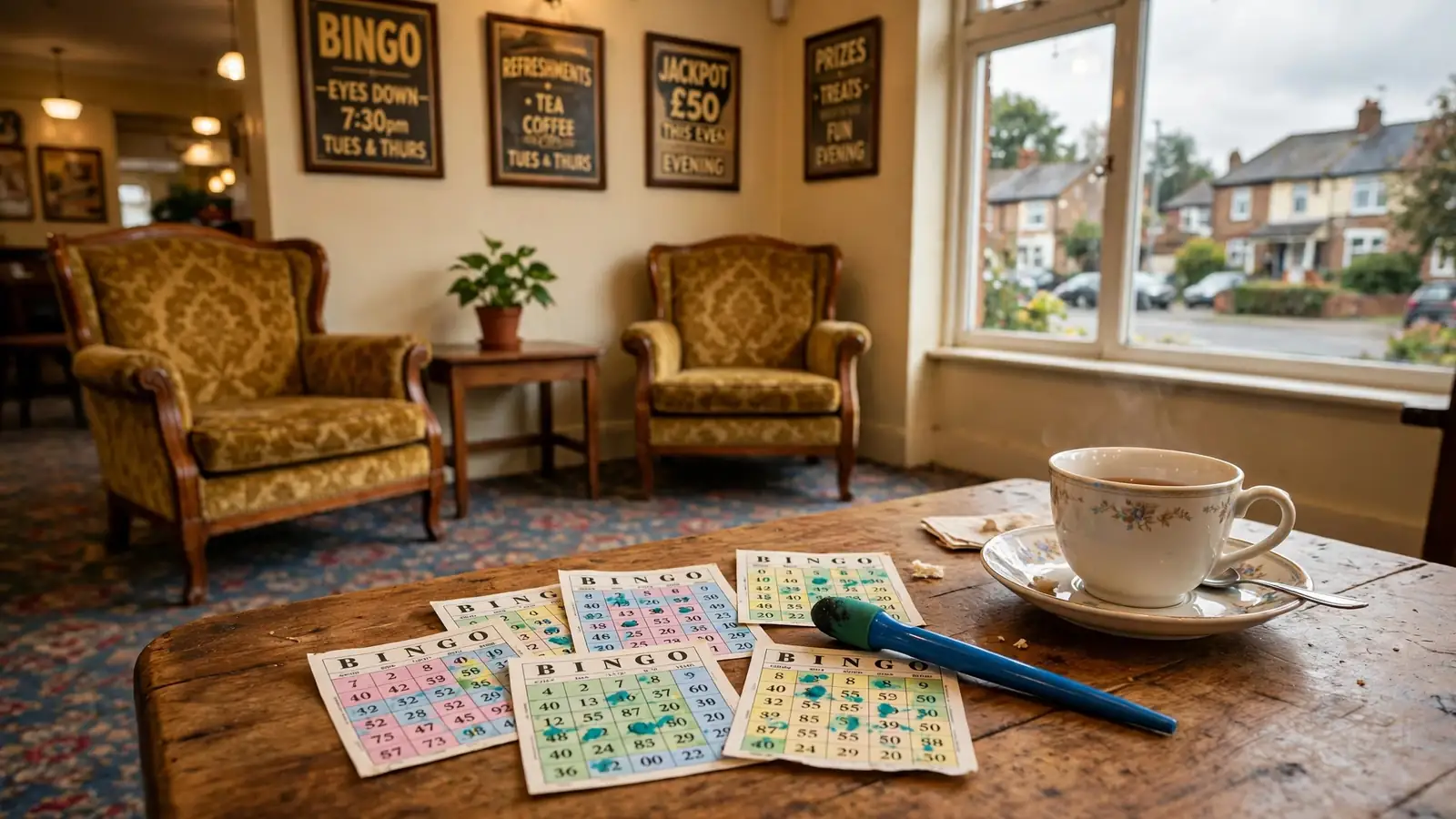
Volatility shapes how often payouts arrive and how large they may be, but it cannot predict the result of any spin.

How Slot Volatility Shapes Your Results
A slot’s volatility describes the pattern of its payouts, not a guarantee about what you will receive. A high-volatility game tends to return money less often, with wins that can be larger when they arrive. A low-volatility game tends to spread returns across more frequent, smaller wins. The distinction affects how a balance may move during play: the same stake can produce a steady sequence of modest changes in one game and longer stretches without a return in another.
Think of each spin as a possible outcome in a distribution. Some outcomes return nothing; others return an amount. Volatility concerns how those outcomes are arranged by frequency and size. In a high-volatility slot, a greater share of the return pattern is associated with less frequent, larger payouts. In a low-volatility slot, returns are distributed through many smaller wins. These are tendencies, not schedules: volatility does not tell you when a win will occur or how much a particular spin will pay.
This distinction matters because a sequence of results can look very different from the overall pattern. A high-volatility game may produce several losing spins in a row before a payout appears. A larger win later may offset some of the earlier losses, but it is not guaranteed to do so. A low-volatility game may produce winning combinations more often, yet each one can return only a small amount. Seeing a win on the screen is therefore not the same as recovering the total amount staked.
To read a result, separate three things: the amount staked, the amount returned by a spin and the change in your balance after that spin. If a spin returns less than its stake, it is still a winning combination, but your balance has fallen overall. If it returns more, the balance rises by the difference. Volatility describes the tendency of those returns to be frequent and small or less frequent and larger; it does not make every winning combination profitable.
Best High-RTP Slots in the UK: How RTP Works
That is why a series of small wins can create a misleading impression. They may interrupt losing spins and make the balance appear to move gently, but their combined value matters more than their count. Conversely, a high-volatility slot can show few wins while still having the possibility of a larger payout. The size of that possible payout does not make it more likely to happen on the next spin. A past run of losses is not evidence that a win is due, and a recent large win does not establish what the next result will be.
When comparing high volatility slots online, look for the stated volatility classification rather than inferring it from a dramatic-looking feature or a large advertised prize. The label gives a broad description of the payout pattern, not a forecast for your own play. Two games described as high volatility can still produce different experiences: one may have a different distribution of payout sizes from another. The label alone does not specify the result of an individual spin, nor does it tell you how long you might play before seeing a payout.
The practical effect is on the way results are distributed across play. With a lower-volatility pattern, returns tend to be spread among more small wins. With a higher-volatility pattern, returns tend to arrive less often and in larger amounts. Neither pattern means that the stake is protected. A small return still leaves a shortfall if it is below the amount wagered, while a larger return can be followed by further losses. The sequence can move in either direction as play continues.
This also explains why the word “win” needs context. It can refer to a winning combination, to a return of money, or to an increase in the balance; those are not interchangeable. Volatility concerns the pattern of payouts, while the result for your balance depends on each return relative to the stake. Keeping those ideas separate helps you interpret what the game displays without treating frequent small wins as proof of a favourable result or a rare large win as an expected outcome.
Attention: A past run of losses is not evidence that a win is due, and a recent large win does not establish what the next result will be.
A high-volatility slot is therefore not simply a slot that pays more. Its defining tendency is to pay less often, with larger amounts when it does pay; a low-volatility slot tends to distribute returns through more frequent, smaller wins. The payout pattern shapes the route your balance may take, but it cannot identify the outcome of the next spin.
What the Reels and Paylines Tell You About a Slot Machine
A slot screen is a diagram of the game’s structure, not a complete description of how a stake works. The reels are the vertical columns that show symbols, while paylines are the routes across those columns that the game treats as potential winning patterns. To understand what your bet covers, you need to read those two parts together with the game’s own betting information.
A five-reel slot has five vertical positions in which symbols can appear as the reels stop. A bet can be applied across all five reels, but that does not, by itself, tell you how many paylines are active or how much is allocated to each one. The displayed stake and the paytable or rules should make clear what is being wagered for the selected game settings.
Reels are columns; paylines are routes
The reel layout determines where symbols can land in relation to one another. A payline maps a route through positions on the reels. It may run horizontally across a row or follow another displayed path. When the result is checked, the game compares the symbols on the relevant route with its paytable rules.
Online Slots Payout Percentage: How It Works
This distinction matters because seeing a group of matching symbols on screen does not necessarily tell you whether they form a winning combination. Their positions need to match a recognised route, and the route must be active under the current bet. A symbol pattern that looks connected to you may not count if it does not follow an eligible payline.
The game’s information panel is therefore more useful than the reel picture alone. It should show the available lines or explain how wins are evaluated. A paytable describes which symbol combinations qualify and what they pay under the game’s rules. The layout tells you where combinations may form; the paytable tells you how those combinations are treated.
What the stake display should clarify
Games can present the stake in different ways. A screen may show a total bet, a bet per line, or controls that affect how many lines are active. These labels are not interchangeable. If the game shows a total stake, that is the amount applied to the selected play; if it shows a line-level amount, check how that figure relates to the overall stake.
Do not infer coverage from a button label or from the number of visible paths alone. The game rules should state whether paylines are fixed or selectable and how the displayed stake is calculated. If the interface does not make that clear, open its help or paytable before playing rather than assuming that every visible line receives the same amount.
Some games evaluate wins in ways that are not represented by a conventional line diagram. The game instructions explain the relevant pattern rules. This is another reason to treat the visual layout as a guide, not as a substitute for the rules: symbols can be arranged on reels while the method for deciding a win depends on the specific game.
Do
- Read the paytable to see which symbol combinations qualify
- Check the game rules for how the displayed stake is calculated
- Open the help panel to verify if paylines are fixed or selectable
Don’t
- Infer payout coverage from a button label alone
- Assume every visible line receives the same amount
- Treat the visual reel layout as a substitute for the rules
Reading the screen before a spin
Start by identifying the reel columns and any marked paylines. Then check the stake controls and note what the game says is included in the selected bet. Finally, consult the paytable to see which symbol arrangements qualify. This sequence separates three questions that are easy to blur together: where symbols appear, which paths are considered, and what amount is staked.
For instance, on a five-reel layout, a bet may cover play across every reel. That does not mean every possible route across the screen is necessarily active, nor does it indicate the value assigned to a particular winning pattern. Those details come from the game’s settings and rules. A high volatility slot machine can share a basic reel arrangement with another game, so the layout alone cannot establish how its results are distributed.
When comparing high volatility slot machines, keep the comparison at the level the information supports. A reel count describes the screen’s columns; a payline diagram describes eligible routes; and the betting display explains how the stake is applied. None of these labels, on its own, is a reliable shortcut for identifying the game’s payout pattern. The phrase “high volatility” concerns a different property from the geometry of the reels, so a list of high volatility slot machines cannot be built simply by counting columns or lines.
Bonus Buy Slots in the UK: How They Work
Before committing a stake, check that you understand the game’s terminology and can see the selected bet clearly. If the interface lets you change line settings, confirm what changes on the screen and how the total stake responds. If it does not offer those controls, the rules should explain how the game treats its lines. The useful question is not merely how many reels or paylines are shown, but how the game applies your selected bet to the structure it presents.
Game Features That Change How Wins Are Built
A slot’s features determine how its symbols, ordinary wins and bonus awards fit together. They do not all affect returns in the same way. Reel and payline layouts define which combinations can count; jackpot structures determine whether a prize is fixed or linked to a growing pool; and bonus rounds can alter the value of wins already collected. Looking at these parts separately makes it easier to understand what a game is offering without treating a feature as a promise of a particular result.
Low-volatility slots commonly use a familiar layout: five reels and twenty-five or more paylines. That describes a pattern found across many such games, not a requirement that every game must follow. Nor does the number of paylines, by itself, tell you how often a game will pay or how large its awards will be. It is one part of the design. To understand what a line contributes, you need to know which symbol arrangements qualify and how the game evaluates them. The displayed rules are the place to check those details.
A screen crowded with paylines is not, on its own, evidence that a slot is generous or low risk, as the layout alone cannot determine the value of any particular result.
A game may show several paylines crossing the reels in different directions. A line wins only when the required symbols appear in the arrangement specified by the rules, and the paytable shows the award attached to a qualifying combination. More lines create more possible routes for a combination to qualify, but the layout alone cannot tell you the value of any particular result. The stake applied to each spin and the game’s award rules matter too. This is why a screen crowded with lines is not, on its own, evidence that a slot is generous or low risk.
Fixed jackpots and progressive pools
Low-volatility games are often associated with fixed jackpot amounts rather than progressive pools. The distinction is about how the jackpot is set. A fixed prize has an amount established by the game, while a progressive pool can grow as qualifying play contributes to it. Neither label tells you the exact chance of winning: that depends on the game’s rules and award conditions.
A fixed jackpot sits within a more defined prize structure. It does not rise with a pool that accumulates contributions, so its advertised amount is not being presented as a growing total. That can make it easier to understand how the jackpot relates to the rest of the paytable, but it does not mean the prize is easy to trigger or that other awards will arrive at a particular rate. Check the game information to see what combination or feature awards the jackpot and whether any conditions apply.
Online Keno Casinos in the UK: What to Compare
A progressive prize works differently because the pool may change as play continues. Its size is therefore not a fixed feature in the same sense. The existence of a growing prize does not establish that the game is high volatility, just as a fixed prize does not determine the volatility by itself. These labels describe prize construction; volatility describes the broader pattern of payouts. Treating them as interchangeable can lead you to infer more from the jackpot display than it actually shows.
Multipliers in bonus rounds
Another feature often found in low-volatility slots is a bonus round that applies multipliers to wins accumulated during that round. The sequence matters: eligible wins build up, and a multiplier is then applied to that accumulated amount according to the game’s rules. The multiplier changes the value of the qualifying total; it is not automatically an extra award independent of what has been won.
The details vary by game. A bonus may state which wins are included, when the multiplier is applied and whether it affects the full accumulated amount or only particular awards. Read those rules before assigning a meaning to the multiplier shown on screen. A large multiplier can sound decisive, but its effect depends on the amount to which it applies and on the conditions for reaching or completing the feature.
This distinction also helps when comparing games described as high volatility with low-volatility titles. A multiplier is a feature, not a volatility rating. It does not prove that the game pays frequently, nor does it establish that the bonus will produce a large return. A feature can change how a win is calculated while the game’s overall payout pattern remains a separate matter. Likewise, a slot with a progressive jackpot is not automatically among the very high-volatility games simply because the displayed pool can grow.
Inspecting a Slot
Step 1: Identify triggers
Identify the qualifying symbols or the event that triggers a feature.
Step 2: Check wins
Determine which specific winning combinations count towards the result.
Step 3: Apply modifiers
See how any multiplier or jackpot rule changes the final award.
When you inspect a slot, follow the chain from trigger to award: identify the qualifying symbols or event, check which wins count, then see how any multiplier or jackpot rule changes the result. This gives you a more useful description than relying on a feature name alone. It also keeps comparisons grounded in the actual rules: reel and payline arrangements define qualifying combinations, prize structures describe the jackpot, and bonus mechanics specify how awards are built. No one feature can stand in for the whole game.
What High and Low Volatility Mean in Practice
Volatility describes the pattern of a slot’s payouts: how often winning combinations occur and how large those wins tend to be. It is not a promise about what will happen on a particular spin. A volatility label helps you understand the general distribution of returns, not predict the result of your next play.
A low-volatility slot tends to spread returns across many smaller wins. A high-volatility slot tends to produce wins less often, with larger amounts when they do occur. The distinction is about frequency and size together. Looking only at the possible size of a win, or only at how often a win appears, does not give the full picture.
Think of the results as a distribution. With low volatility, more of the outcomes sit around smaller wins, so the pattern is comparatively spread across frequent, modest returns. With high volatility, winning outcomes are less frequent and more concentrated in larger results. That does not mean every high-volatility win is large, or that every low-volatility win is small; the labels describe tendencies across play, not rules applying to each result.
What high volatility means
When a slot is described as high volatility, its wins are generally less frequent but can be larger. Between those wins, spins may return nothing or produce smaller results. A very high-volatility slot follows the same basic description, with a stronger emphasis on infrequent wins and larger potential payouts. The label does not mean that a large win is due, or that the game will eventually compensate for earlier losses.
This is why volatility should not be confused with a guaranteed payout size. It characterises how results are distributed, rather than setting an amount that a player will receive. The same label cannot tell you exactly when a winning combination will appear, how much it will pay, or what your total result will be.
What low volatility means
Low volatility describes the other broad pattern: winning combinations tend to appear more often, but the returns are generally smaller. These wins can make results feel more evenly distributed across play, rather than concentrated in occasional larger payouts. A low-volatility label does not mean that every spin wins, that every win returns the stake, or that a particular session will finish ahead.
The contrast can be stated simply: low volatility means more frequent, smaller wins; high volatility means less frequent, larger wins. Neither description tells you whether a slot is profitable. Volatility concerns the shape of the payout pattern, not whether the total value returned will exceed the amount staked.
Low Volatility
Returns tend to be spread across more frequent, smaller wins.
High Volatility
Returns tend to arrive less often but in larger amounts.
Very High Volatility
Stronger emphasis on infrequent wins and larger potential payouts.
Reading the label carefully
If you are trying to understand a slot’s volatility, look for a description in the game information or in the casino’s listing for that title. Treat the term as a broad guide to the payout pattern, not as a precise forecast. A short label cannot show the result of an individual spin, and it cannot tell you when a larger win might occur.
Volatility is also separate from the way a slot is presented. The graphics, theme and pace of play do not establish whether its payouts are high or low volatility. To interpret the term, focus on the stated relationship between win frequency and win size.
So, when someone asks whether high or low volatility is better, the answer depends on what they mean by “better”: the labels describe different payout patterns rather than a universal ranking. A high-volatility slot may appeal to someone interested in less frequent, larger wins; a low-volatility slot has a pattern of more frequent, smaller wins. That distinction explains what the categories mean, but it does not determine which one suits an individual player.
Whether High Volatility Is a Better Fit for You
A high-volatility slot can appeal if you value the possibility of a substantial win more than receiving smaller returns regularly. That preference is about the pattern of payouts, not a way to improve the game’s underlying mathematics. Larger prizes may be less frequent, so a run without a notable win is part of the trade-off.
To decide whether that pattern suits you, separate two questions: what kind of outcomes you prefer, and what the game is expected to return over time. Volatility describes how payouts are distributed. It does not tell you that a large win is due, nor does choosing a more volatile game turn a disadvantageous wager into an advantageous one.
The house edge is the part that matters to the long-run expectation. When a game has a positive house edge, its mathematical expectation for the player is negative across enough play, even if losses arrive slowly or are interrupted by wins. A high-volatility game can make that path feel uneven: results may vary substantially, but the possibility of a large payout does not remove the house edge. A lower-volatility game does not remove it either; it changes the pattern in which returns are distributed.
This is why “best” is not an objective label that can be determined from volatility alone. A high-volatility slot may be a better fit for someone who accepts less frequent wins in exchange for the possibility of larger ones. It may be a poor fit if you prefer steadier returns or find long stretches without a significant payout difficult to manage. Neither preference changes the expected result.
Before choosing, consider whether you can treat the stake as money that may be lost, rather than as a route to a particular prize. Set a limit you can afford and stop when you reach it. If the possibility of a large win makes it harder to stick to that limit, the attraction of high volatility may not suit your circumstances.
House Edge
Regardless of the volatility pattern, a positive house edge means the mathematical expectation for the player is negative across enough play.
So, is high or low volatility better for slots? Neither is better in mathematical terms simply because of its payout pattern. The useful choice is the one whose uncertainty you understand and can accept. A high-volatility game offers a different distribution of outcomes, not a reliable way to overcome the house edge.
How Volatility Changes the Shape of a Playing Session
Volatility affects the rhythm you may notice while playing. In a low-volatility game, winning combinations tend to appear at shorter intervals, often as modest returns. Across most titles, such games produce a winning combination every three to six spins on average. That is a broad pattern, not a schedule: a particular run can have longer gaps or several combinations close together.
More frequent combinations can make a session feel active. You may see the balance move in smaller steps, with wins interrupting losing runs before they become lengthy. But a winning combination does not necessarily mean that a spin has returned the full amount staked. The combination can pay less than the stake, so the animation or payout notice alone does not tell you whether your balance has increased.
A high-volatility game tends to create a different rhythm. Winning combinations occur less often, while a payout, when it arrives, may be larger. Between wins, you can experience a longer stretch in which the balance moves down without a winning combination to break the sequence. A larger result can make the session feel sharply different from the quiet period before it, but it does not make that period predictable.
This contrast explains why one type can feel more comfortable than the other without being objectively better. If you prefer regular signs of activity, the more frequent combinations of a low-volatility game may suit that preference. If you can tolerate longer gaps in exchange for the possibility of larger payouts, high volatility may feel more appealing. Neither rhythm guarantees a particular session outcome.
To judge how a session is actually going, track the balance rather than counting winning animations. A run of small combinations can still leave you down if their returns do not cover the stakes. Likewise, a quiet stretch in a high-volatility game does not indicate that a larger win is due next. Each spin can continue the pattern without correcting the earlier results.
Your choice, then, is partly about the pace of feedback you want while playing. Frequent combinations can make activity more visible; less frequent combinations can make the gaps more noticeable. Treat those as differences in session feel, not as signals about what the next spin will do.
What Makes a Slot High Volatility
A high-volatility slot is one where winning combinations tend to occur less often, while wins, when they arrive, can be larger. The term describes the distribution of payouts, not a promise that a particular spin will produce a large prize.
Each spin is an individual outcome. A long stretch without a win can therefore be followed by a winning combination, but the earlier spins do not make that result due. Nor does the label mean every win will be substantial: smaller wins can still occur. It indicates a general pattern across play, rather than a fixed sequence you can predict.
Volatility is a description of how wins tend to be spaced and sized over many outcomes; it is not a timer or a cycle that can be read from the reels.
This distinction matters when you assess a real money slot. A run of losing spins does not reveal when the next win will happen, and a large payout in the game’s history does not show that another is imminent. Volatility is not a timer or a cycle that you can read from the reels. It is a description of how wins tend to be spaced and sized over many outcomes.
A high-volatility label also does not tell you the exact size of a future payout. The result depends on the game’s rules, the winning combination and the stake applied. To understand a particular game, read its information panel for the rules and payout details; treat its volatility description as a broad guide to the payout pattern, not as a forecast.
In practical terms, expect fewer winning combinations than you might in a lower-volatility game, with the possibility of larger wins when they occur. That pattern can make results feel uneven: some spins return nothing, while a win may have more impact. It cannot tell you how long a dry spell will last, how much a future win will be, or whether you will finish a session ahead.
So, when you see a slot described as high volatility in the UK, read the label narrowly. It means that payouts are generally less frequent and larger than the many smaller returns associated with low-volatility slots. It does not guarantee a particular outcome, and it cannot identify which spin will pay.
How to Check a Bonus Before Using It
A bonus has a time limit, so check its expiry conditions before accepting it. A specialist review reports that bonuses typically have a 48-hour lifespan. Treat that as a reported term, not a universal rule: the offer shown by the casino is the one to read, and its conditions determine how long you have.
First-Deposit Bonus Casinos in the UK: How Offers Work
Check when the period begins. It may matter whether the clock starts when you claim the offer, when it is credited, or at another point defined in the terms. Look for the exact expiry time and time zone, and confirm what happens when the period ends. A bonus that expires before you can use it may have little practical value, even if its headline amount looks attractive.
Then check the requirements attached to the bonus. Read which games are eligible, whether the bonus balance must be used before any winnings can be withdrawn, and what conditions apply to those winnings. If the terms are unclear, ask the operator to explain them before opting in. Do not assume that a bonus can be moved to a different game or kept after its stated deadline.
For a player considering a high-volatility slot, the deadline is a planning constraint, not a way to alter the game. A bonus does not make wins arrive sooner, remove the slot’s underlying volatility, or change its mathematical expectation. The practical question is whether the offer’s expiry and conditions fit the amount of time and money you have already decided to spend. If they do not, declining the bonus avoids adding a deadline to your play.
Bonus Verification
- Note the start point of the bonus period
- Check the exact expiry time and time zone
- Identify which games are eligible
- Review the withdrawal conditions for winnings
Before accepting, make a short check: note the start point, expiry, eligible games, and any withdrawal conditions. Save or screenshot the terms if that helps you refer back to them. Do not treat a countdown as a reason to continue playing after you planned to stop; the bonus deadline is part of the offer, not a target you need to meet.
What to Check at a UK Casino Before You Play
Before depositing, check that the casino holds a current operating licence from the UK Gambling Commission. The Commission regulates gambling in the United Kingdom, including online casinos, and is the sole regulator for commercial gambling in Great Britain. A remote operator must be licensed to serve consumers in Great Britain even if its key equipment is located elsewhere.
You can verify an operator’s status on the Commission’s public register. Check that the licence belongs to the business named on the casino’s site and covers the gambling it offers. A familiar brand or a professional-looking website is not evidence of a current licence. Online gambling is legal in the UK for adults aged 18 and over when the operator holds the required UK licence.
Licensing applies to people as well as businesses. The Commission issues operating licences to gambling businesses and personal licences to individuals who perform relevant roles in operating gambling in Great Britain. These are distinct permissions: a personal licence does not replace the operator’s licence.
You can also check whether the site provides the safeguards required of UK-licensed casinos, including self-exclusion and account-level limit controls. Operators must prompt new customers to set a financial limit before their first deposit. They must also provide an internal complaints process and access to an approved Alternative Dispute Resolution service.
Best RTP Casino Slots UK: Returns and Volatility
These checks concern the operator and the protections attached to its licence, not the payout pattern of a particular game. Whether you are considering a high-volatility casino game or another type of slot, the game’s volatility does not establish that the casino is licensed. Verify the operator first, then assess the game separately.
The Difference Between High- and Low-Volatility Slots
The main difference is the pattern of wins, not a promise about how much a slot will return overall. Low-volatility slots tend to produce smaller winning combinations more often. High-volatility slots tend to produce wins less frequently, with the possibility of larger payouts when they occur. Neither pattern guarantees a win on a particular spin.
Across most low-volatility titles, winning combinations typically appear every three to six spins on average. That describes a broad tendency, not a fixed interval: you can see several wins close together, or go longer without one. A winning combination also does not necessarily mean that the spin has returned more than your stake. The size of the payout matters as well as how often a win appears.
With a high-volatility slot, gaps between wins tend to be longer, while payouts are more concentrated in less frequent results. A run without a win does not make a larger payout due, and a previous result does not change the chance of the next spin. The same principle applies to low-volatility games: frequent combinations do not ensure that the overall balance will rise.
This contrast can help you identify the kind of result pattern a game is designed to produce. If you prefer regular, smaller wins, a low-volatility title is closer to that pattern. If you are considering a game with less frequent, potentially larger wins, it has the high-volatility profile. These labels describe how returns are distributed, not a ranking of which game is better.
Games: UK Online Casino Games and Slots
When comparing titles, treat volatility as one characteristic rather than a prediction of your own session. The observed sequence can vary, even when a game follows the payout pattern associated with its volatility category.
Our top casino picks for the UK
- DieselwinBonus: Welcome Pack 250% up to £4000 + 200 FS · Payout speed: 1-3 business days
- SpinFormulaBonus: 550% Up To £15,000 + 550 FS · Payout speed: 1-3 business days
- x3betBonus: Welcome Pack 100% Up to £1.000 + 200 Free Spins · Payout speed: 1-3 business days
- BeOnBetBonus: 100% up to €500 + 100 FS · Payout speed: 1-3 business days
- BritsinoBonus: Welcome Package – Get your £2,200 + 2,000 FS · Payout speed: 1-3 business days
- ChanzeBonus: Slots Welcome Bonus #1 200% up to €500 · Payout speed: 1-3 business days
- SlotoSportBonus: 500% up to £ 10 200+ 777 FS · Payout speed: 1-3 business days
- WinBeastBonus: €5000 + 500 FS + €650 Freebet · Payout speed: 1-3 business days
- Revery PlayBonus: 100% up to€1,000+ 100 FS · Payout speed: 1-3 business days